Category
Playgrounds
Published in
July 26, 2026
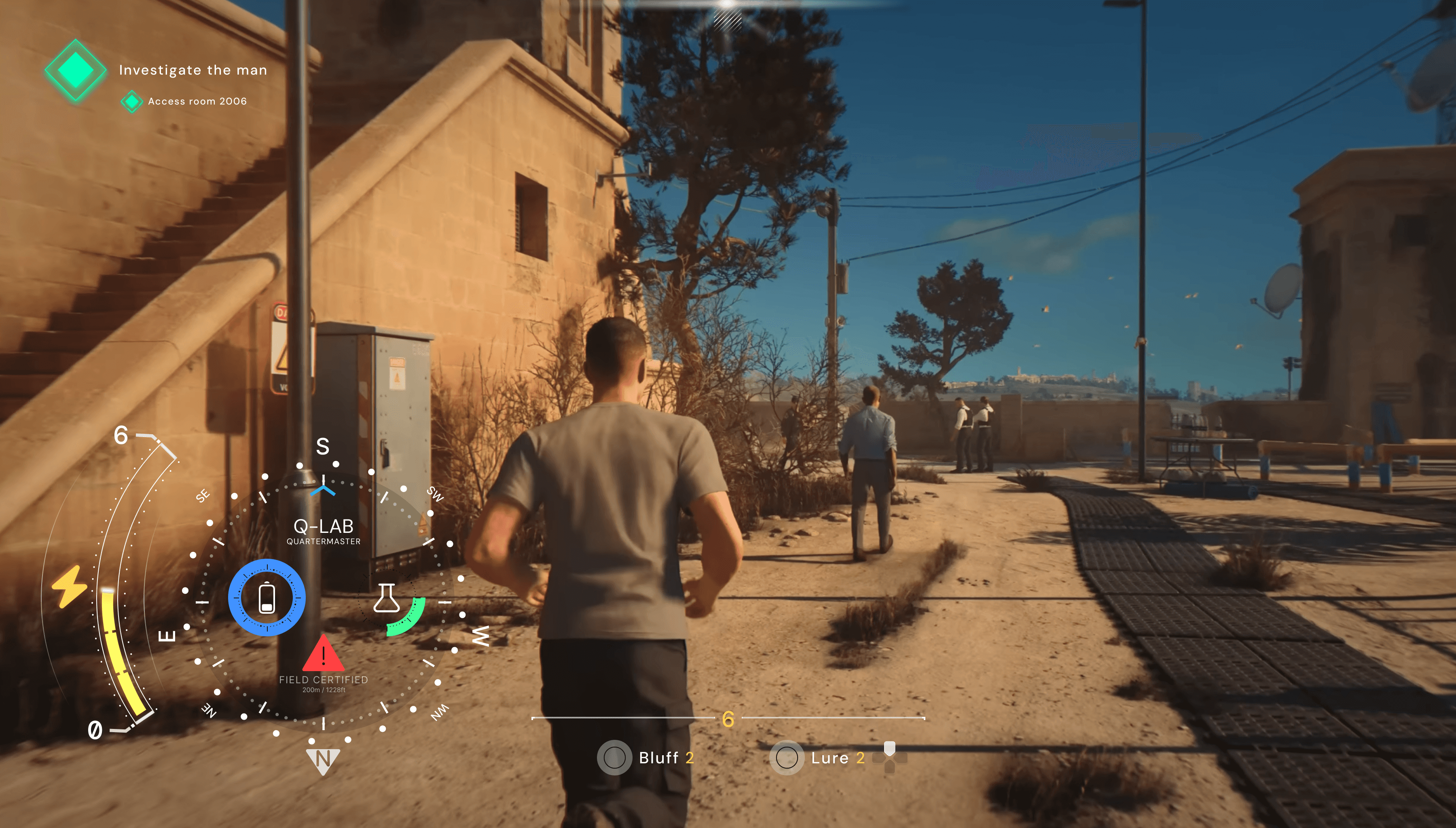
My intention was to understand the techniques behind every micro-detail of creating interfaces like this, and this exercise gave me some great insights:
The complexity of details: While in traditional product design used by millions of people daily we avoid excess, in games the interface is rich, elaborate, and highly detailed.
Cognitive load and contrast: In a first-person game, the background is constantly moving, with explosions and light variations, resulting in a denser interface. The HUD needs good contrast and information hierarchy so the player can read it in milliseconds.
The value of craft: Designing game interfaces requires an incredible amount of work. Trying to recreate every detail, glow, and distortion made me look much more carefully at the level of refinement that game design teams apply to elements that often go unnoticed by most of us.
Stepping out of my comfort zone of institutional and transactional interfaces to venture into game design was an excellent way to recalibrate my eye. As designers, regardless of our seniority or the market we work in, training our visual perception and understanding the "why" behind every pixel is an exercise that always makes us more complete professionals.